

How to do YouTube Keyword Research
YouTube Keyword Research Guide
Learn how to effectively conduct YouTube keyword research. Find out the best strategies and tools to optimize your videos for maximum visibility and engagement with Digi Suggest.
YouTube Keyword Research
Contact Digi Suggest experts to get right keywords for your YouTube Videos.
Table of Contents
Introduction to Keyword Research
Have you ever wondered how some YouTube videos get millions of views while others hardly get any? One big secret is something called keyword research. This is a special way to find the best words or phrases to help your videos be discovered by more people. Using the right keywords can make your videos pop up in searches, which is super important for being popular on YouTube.
YouTube Marketing Agency
Start YouTube SEO to get more views and monetize your channel.
What is Keyword Research?
So, what exactly is keyword research? It’s like being a detective! You search for the best words that people use when looking for videos online. When you find these words, you can use them in your video titles and descriptions. This helps people find your videos more easily. Think of it as giving your video a better chance to shine in the spotlight!
Why is Keyword Research Important?
Now, you might be asking, "Why should I bother with keyword research?" Well, using the right keywords can help a video get more views and become more popular on YouTube. If you pick words that lots of people are searching for, more viewers will click on your video. This means more likes, more comments, and even more subscribers! In short, keyword research is key to creating a successful content strategy for your channel.
Using Keyword Research Tools
When you're ready to find great keywords for your YouTube videos, using keyword research tools can really help. These tools are like treasure maps that show you where to dig for the best words that people are searching for. Let’s explore some different tools that can make it easier to find keywords for your videos.
Free Tools for Keyword Research
There are many keyword research tools that you can use for free! These tools are perfect for kids who want to learn more about video SEO without spending money. Some popular free tools include:
- Google Keyword Planner: This tool helps you see what people are searching for on Google.
- Ubersuggest: This one shows you keyword ideas and how popular they are.
- AnswerThePublic: This tool gives you questions people are asking, which can spark video ideas!
With these tools, you can easily find good keywords that will make your videos stand out on YouTube.
Paid Tools for Keyword Research
Some people decide to use keyword research tools that cost money. While free tools are great, paid tools often have more features. They can give you detailed results that help you understand what works best for video SEO. Examples of paid tools include SEMrush and Ahrefs. People might choose these tools because they want the most accurate data and extra help in finding the best keywords.
How to Use These Tools
Using keyword research tools is easier than it sounds! Here’s a simple guide to help you get started:
- Open your keyword research tool of choice, whether it's free or paid.
- Type in a topic you want to make a video about, like "fun science experiments."
- Look at the list of keywords that pop up. Check how many searches they get each month.
- Pick keywords that are popular but not too hard to compete with. This means lots of people are searching for them, but not many videos use those keywords.
- Write down your favorite keywords for later use in your video title, description, and tags!
Following these easy steps can help you find the best words to use for your YouTube videos, making your video SEO much better!
Finding the Best Keywords
When you finish using your keyword research tools, you will see a bunch of search results. These results help you pick the best keywords for your YouTube videos. Choosing the right keywords is very important for video SEO. It can make a big difference in how many people find and watch your videos. Let’s learn how to choose the best keywords from those results!
Understanding Search Results
Search results are what you see after you use keyword research tools. They show you different keywords people are searching for on YouTube. To find good keywords, look for words or phrases that have lots of searches. This means many people are interested in them. But, it’s also important to see how many other videos are using those same keywords. If a lot of videos are using a keyword, it may be harder for your video to stand out. So, look for keywords that are popular, but not too crowded!
Choosing Keywords
Now that you understand search results, let's talk about how to choose the best keywords. First, pick keywords that lots of people are searching for. This shows that there is interest! Next, try to find keywords that don’t have too much competition. This means there are not too many videos using those keywords. You want your video to be seen, so choose keywords that give you a better chance of being on the first page of search results. It’s like being in a race—if too many people are running, you might get lost in the crowd!
In summary, finding the best keywords means understanding search results and choosing the right ones. Focus on keywords that have many searches but not too much competition. This way, your videos have a higher chance of being discovered by more people!
Using Keywords in Your Videos
Now that you know how important keywords are, let’s talk about how to use them in your videos. Using the right keywords can help your videos get more views on YouTube. This is part of video SEO, which stands for Search Engine Optimization. It’s like using magic words that help people find your video easily!
Using Keywords in Titles
The first place to put your keywords is in the video title. This is the name of your video and what people see first. A catchy title with good keywords will grab attention. For example, if your video is about making cupcakes, a title like “Easy Cupcake Recipe for Kids” is much better than just “Cupcakes.” It tells viewers what to expect and helps them find your video when they search for cupcakes on YouTube.
Using Keywords in Descriptions
Next, you should use keywords in your video description. This is a short paragraph that explains what your video is about. By including keywords here, you help YouTube understand your video better. For instance, if your video is about puppy training tips, write a few sentences that mention “puppy training,” “how to train a puppy,” and “puppy care.” This way, more people searching for those topics can find your video.
Using Keywords in Tags
Lastly, don’t forget to use keywords in your tags. Tags are like labels for your video. They help YouTube know what your video is about. When you add tags like “cute puppies,” “dog training,” or “puppy tricks,” you are helping your video show up in related searches. This is important for video SEO too! Remember, using tags correctly can boost your video’s chances of being seen by lots of people.
Evaluating Your Keyword Strategy
Once you have picked your keywords and made your videos, it's time to see how well they are working. This is called evaluating your keyword strategy. It's important to check if the keywords you chose are helping your videos get more views. If they are not, you might need to change your strategy.
Checking Video Performance
The first step in evaluating is to check your video performance. You can do this by looking at a few important numbers called metrics. These metrics tell you how many people watched your video, how long they stayed, and if they liked it. If your video is getting a lot of views, that’s a good sign! It means your keywords are working well. But if not many people are watching, it might be time to rethink your keywords.
Adjusting Your Strategy
If you find that your keywords aren't helping your video as much as you hoped, don’t worry! You can adjust your strategy. Start by trying new keywords or phrases that might be more popular. You can also think about changing your video content to make it more interesting. Sometimes, just a small change can make a big difference! Also, remember to keep checking your video performance regularly. This way, you can keep your content strategy fresh and ensure it stays relevant to your audience.
Conclusion
In summary, keyword research is a super important tool for anyone wanting to create popular videos on YouTube. By understanding how to find the right keywords, you can improve your content strategy and help your videos reach more viewers. Using the right keywords can make your videos easier to find, which can lead to more views and a bigger audience.
With the help of various keyword research tools, both free and paid, you can discover what people are searching for. This allows you to pick the best keywords based on the search results, helping your videos stand out among the millions of other videos on YouTube.
Also, remember to use those keywords wisely in important parts of your videos, like the title, description, and tags. This is crucial for video SEO and can really boost your video's visibility.
Finally, always keep an eye on how your videos are doing. Evaluating your keyword strategy and making changes when needed can help you stay on top of trends and continue to grow your channel. By following these tips, you'll be well on your way to making successful YouTube videos that people love to watch!
Rank Videos in YouTube
Digi Suggest with right keywords can do this for you.

Frequently Asked Questions (FAQs)
What if I can't find good keywords?
If you’re having trouble finding good keywords, don't worry! Start by thinking about what your video is about. What topics are you excited to share? You can use keyword research tools to help. These tools can suggest popular words that people search for. Try asking a parent or a friend for help too. Sometimes talking about your ideas can spark new thoughts!
How often should I change my keywords?
It's a good idea to look for new keywords every few months. This way, you can keep your videos fresh and interesting! If you notice that your video isn’t getting many views, it might be time to update your keywords. You can try different ones to see what works best. Remember, video SEO is all about figuring out what people want to watch.
Can I use the same keywords for every video?
While it might be tempting to use the same keywords for every video, it's better to mix it up! Each video should have its own special keywords that describe what it's about. Using different keywords can help more people find your videos on YouTube. Plus, it helps your channel grow by attracting a wider audience. So, be creative and think of new keywords for each video!

Maximize Your Business ROI with SEO and PPC
Maximize Your Business Website ROI with SEO and PPC
Looking to maximize your business website's ROI? Learn how to boost your online visibility and drive targeted traffic with Digi Suggest expert SEO and PPC services. Let Digi Suggest help you achieve your digital marketing goals and elevate your online presence.
Boost Your Website's ROI
Connect with Digi Suggest experts to boost your SEO and PPC!
Table of Contents
Introduction to SEO and PPC
Welcome to the exciting world of SEO and PPC! If you've ever wondered how some websites seem to pop up right at the top of Google when you search for something, you’re in the right place. Today, we’re going to explore the basics of SEO and PPC, and why they are super important for online businesses. Let's dive in!
Boost Website's Traffic
Connect with Digi Suggest to boost your SEO & PPC
What is SEO?
SEO stands for Search Engine Optimization. Imagine you are going on a treasure hunt. You have a map, but it’s filled with clues that help you find the treasure quickly. SEO is like those clues! It helps a website show up higher on Google, making it easier for people to find what they are looking for. The better the SEO, the closer you get to that treasure!
What is PPC?
PPC means Pay-Per-Click. Think of it like this: if you want to rent a really nice billboard on a busy street, you would pay for everyone who sees it. That’s what businesses do with PPC. They pay to have their ads show up at the top of Google searches, just like a big, bright billboard that catches people’s attention!
How SEO Works
SEO, which stands for Search Engine Optimization, is a way to help websites show up higher in search engines like Google. Think of it like a treasure hunt. When you’re looking for treasure, you need the best clues to find it quickly. SEO gives your website those clues so that more people can find it when they search online.
The Role of Keywords
Keywords are important words or phrases that people type into search engines when they’re looking for something. For example, if someone is searching for "best ice cream," they will type those words into Google. If your website has the right keywords, it will show up in the search results. Choosing the right keywords is like picking the right treasure map. The better your keywords, the easier it is for people to find your website.
Why Content Matters
Good content is like a tasty meal that visitors enjoy. If someone comes to your website and finds great information, they will want to come back for more. Just like you tell your friends about a delicious pizza place, happy visitors will share your website with others. Creating interesting and helpful content is one of the best ways to keep visitors coming back to your business website.
Also Read - Google Ads vs. Facebook Ads
The Basics of PPC
PPC stands for Pay-Per-Click. It's a special kind of advertising that helps businesses get their websites noticed on search engines like Google. With PPC, businesses pay every time someone clicks on their ad. Think of it like buying lemonade but only paying for each cup you give away. If someone takes a sip and really likes it, they might tell their friends, and then more people will come to buy! This is how PPC works to attract visitors to a business website.
Understanding Pay-Per-Click
When businesses use PPC, they create ads that show up at the top of search results. This means that when you search for something, their ad is one of the first things you see. Just like how a store owner might pay to have a big sign outside their shop to grab attention, businesses pay for their ads to be seen by more people online. Each time someone clicks on this ad, the business pays a small fee. So, if 10 people click their ad, they pay 10 times. This way, they only pay when someone is actually interested enough to want to learn more!
Creating Effective Ads
To make people want to click on their ads, businesses need to create ads that are fun and colorful. Imagine an ad that has bright colors, interesting pictures, and catchy words. This kind of ad is like a shiny toy that grabs your attention in a store. If the ad looks exciting, more people will want to click on it. For example, if a business is selling ice cream, their ad could show yummy flavors and happy kids enjoying ice cream cones. This makes people curious and encourages them to click to learn more about where they can get some ice cream!
Also Read - How to find Target Audience for Online Campaign
Benefits of Integrating SEO and PPC
When businesses decide to integrate both SEO and PPC, they can unlock some amazing benefits. Using these two strategies together is like having a superpower for online success!
Maximize Visibility
One of the biggest benefits of using SEO and PPC together is that it helps to maximize visibility. Imagine you’re throwing a party. If you have a bright sign outside and friends handing out flyers, more people will know about your party. This is what happens when you combine SEO and PPC. SEO helps your website show up in organic search results, while PPC places your ads at the top of the search page. Together, they make it super easy for people to find your business website.
Increase Traffic
Another awesome benefit is that increase traffic to your website. When you use both SEO and PPC, you attract more visitors, just like having more friends come to your party because they heard about it from different places. SEO brings in people who are searching for specific keywords, while PPC can reach out to those who might not be searching but will click on a colorful ad. The more visitors you have, the more fun your online party becomes!
Maximizing ROI with SEO and PPC
When businesses want to make money from their websites, they need to think about how to get the best results. This is called maximizing ROI, which stands for Return on Investment. It means getting more money back than what you spend. Using both SEO and PPC together is a smart way to do this.
Tracking Success
To know if their SEO and PPC strategies are working well, businesses should keep track of their progress. This is like having a scorecard in a game. Just like players keep score to see how they are doing, businesses can use tools to check how many people are visiting their website and how many are clicking on ads. They can see what is working and what needs to be better. By checking their score often, they can make sure they are on the right path to success.
Making Adjustments
Sometimes, businesses need to change their strategies to get better results. This is similar to adjusting sails on a boat to catch the wind better. If the wind is not blowing in the right direction, a sailor will move the sails to make the boat go faster. In the same way, businesses can look at their results and decide to change their ads or improve their website. By making these adjustments, they can attract even more visitors and maximize ROI.
Conclusion
In this blog, we’ve taken a fun journey to explore the exciting worlds of SEO and PPC. We learned that SEO, or Search Engine Optimization, is like a treasure map that helps people find websites on Google. On the other hand, PPC, or Pay-Per-Click advertising, is similar to paying for a bright billboard that captures attention. Both strategies are important for businesses that want to succeed online.
By integrating both SEO and PPC, businesses can enjoy many benefits. Using them together maximizes visibility, making it easier for more people to discover a website. It’s like having both a flashy sign and friendly folks handing out flyers all at once! This teamwork can also increase traffic, bringing in more visitors just like having friends drop by a party because they heard about it from different places.
When businesses effectively maximize their return on investment (ROI) through SEO and PPC, they can track their success like keeping score in a game. By making adjustments, they can tweak their strategies, just like adjusting sails on a boat to catch the wind better. Overall, using both SEO and PPC can lead to better results and help businesses thrive in the online world.
Rank Website on Topin SERPs
Connect with Digi Suggest for SEO and PPC!
FAQs
In this section, we will answer some common questions about SEO and PPC. If you're curious about these topics, you are in the right place!
What is the difference between SEO and PPC?
The main difference between SEO and PPC is about how you get your website noticed. SEO, or Search Engine Optimization, helps your website show up higher on search engines without paying for it. It's like finding treasure using clues that lead you to it. On the other hand, PPC, or Pay-Per-Click, is a way to pay for ads that appear at the top of search results. It's similar to putting up a billboard on a busy street that people will see as they drive by. So, one is free and takes time, while the other is paid and can get you almost instant visibility.
Can I use SEO without PPC?
Yes, you can use SEO without PPC! Many businesses start with just SEO to build their online presence. However, using both SEO and PPC together can give you better results. It’s like having a super team that combines the best of both worlds. While SEO works over time to improve your website's ranking, PPC can help you get visitors right away. So, while it's okay to pick one, using both is often the best choice!
How long does it take to see results from SEO?
Seeing results from SEO can take time, much like planting a tree and waiting for it to grow. It doesn't happen overnight, but once it does, the results can be great! Generally, it can take a few months to start seeing improvements in your website's ranking. But remember, just like a tree gives you shade and fruit once it’s grown, good SEO can bring lots of visitors to your website in the end!

Off Page SEO – Importance & Impact on Search Results
Table of Contents
This blog will help you become an expert in off page SEO and achieve top rankings in search engine results. In today’s digital landscape, an effective off page SEO strategy is crucial for driving organic traffic and establishing your online presence. But what exactly is off page SEO? Simply put, it is all about optimizing your website through external factors. From backlink building to social media promotion, off page SEO plays a pivotal role in boosting your website’s visibility in search engine results.
This detailed blog explores off-page SEO strategies to help improve your search engine rankings. We will explore the power of quality backlinks and teach you how to build a diverse and natural link profile. You will also discover the importance of social signals and how to leverage social media platforms to increase your online authority.
But that is not all – we will also delve into guest blogging, influencer marketing, and content promotion strategies that will take your off page SEO efforts to new heights. With practical tips, expert insights, and actionable steps, this guide is your roadmap to dominating search results and driving more organic traffic to your website. Get ready to unlock the full potential of off page SEO and climb to the top of the SERPs.

Importance of off-page SEO for search engine rankings
What is Off-Page SEO?
Off-page SEO involves improving your website’s reputation and authority through external factors, unlike on-page SEO, which focuses on optimizing your website’s content and structure. Search engines like Google use off-page signals to evaluate the quality and relevance of your website.
Key Off-Page SEO Factors
Backlinks
Social Signals
Benefits of Strong Off-Page SEO
By focusing on building quality backlinks and leveraging social signals, you can strengthen your website’s authority and improve your overall search engine rankings.
Understanding backlinks and their impact on off-page SEO
Why Backlinks Are Important?
Backlinks are a powerful off-page SEO factor. They act as endorsements from other websites, indicating to search engines that your content is valuable and trustworthy. However, not all backlinks are created equal—quality is more important than quantity when it comes to building a strong backlink profile.
Key Factors for Quality Backlinks
Relevance
- Topical Relevance: Backlinks from websites related to your industry or topic are more valuable. For example, if you run a cooking blog, a backlink from a well-known food magazine is more impactful than one from a technology site.
- Context Matters: Ensure that the backlinks you acquire come from sites that are relevant to your content and industry.
Authority of the Linking Website
- High Domain Authority: Backlinks from high-authority websites, such as established news outlets or government sites, can greatly enhance your own site’s authority. These sites are trusted by search engines, so a link from them boosts your credibility.
- Established Websites: Links from reputable, well-established websites carry more weight than those from newer or less-known sites.
Anchor Text
- Relevant Keywords: The anchor text—the clickable text in a hyperlink—should include relevant keywords. This helps search engines understand the context of the link and can improve your site’s visibility for those keywords.
- Natural Usage: Ensure that anchor text is used naturally and contextually within the content.
Benefits of High-Quality Backlinks
- Enhanced Search Rankings: Quality backlinks can improve your search engine rankings by signaling that your site is authoritative and relevant.
- Increased Referral Traffic: Links from reputable sites can drive targeted traffic to your website, as users interested in your niche are more likely to follow these links.
- By focusing on acquiring relevant, authoritative backlinks with appropriate anchor text, you can build a strong backlink profile that boosts your website’s authority and search engine visibility.

Effective link building strategies for off-page SEO
Building a diverse and natural link profile is essential for off page SEO success. Here are some effective link building strategies to help you improve your website’s visibility and authority:
Remember, when building backlinks, quality is more important than quantity. Focus on earning backlinks from authoritative websites in your industry, and avoid spammy tactics such as buying links or participating in link farms. Building a natural and diverse link profile will have a lasting positive impact on your website’s search rankings.
Also Read – What Is SEO – Search Engine Optimization?
Guest blogging as a powerful off-page SEO technique
What is Guest Blogging?
Guest blogging involves writing and publishing articles on other websites in your industry. It is a powerful off-page SEO technique that helps you showcase your expertise, reach a broader audience, and earn valuable backlinks to your own website.
How to Maximize the Benefits of Guest Blogging
1. Choose Reputable and Relevant Websites
2. Align with the Website’s Content and Style
3. Be Strategic with Links
4. Engage with the Audience
Benefits of Guest Blogging
By strategically choosing host sites, aligning your content with their audience, and engaging with readers, you can make the most of guest blogging to enhance your off-page SEO efforts and grow your online presence.

Online Reputation Management and Its Role in Off-Page SEO
Why ORM Matters?
Online reputation management (ORM) is a crucial aspect of off-page SEO that can significantly impact your search rankings and overall visibility. What users find when they search for your brand or related keywords can influence their decision to engage with your website. Proactively managing your online reputation helps ensure that users encounter a positive image of your brand.
Strategies for Effective ORM
Engage Actively on Social Media
Monitor and Manage Reviews
Optimize Online Business Listings
Monitor and Address Negative Content
Benefits of Effective ORM
In summary, effective online reputation management is a key component of off-page SEO. By engaging with your audience, managing reviews, optimizing business listings, and addressing negative content, you can enhance your brand’s reputation, boost your online authority, and improve your search engine rankings.
Measuring the Success of Your Off-Page SEO Efforts
Why Measurement Matters?
To ensure your off-page SEO strategy is effective and progressing towards your goals, it’s crucial to measure its success. Despite the challenges of evaluating off-page SEO due to its reliance on external factors, several key metrics can help you assess the impact and effectiveness of your efforts.
Key Metrics to Track
Organic Search Traffic
Backlinks
Social Signals
Search Engine Rankings
How to Use These Metrics
In Summary Measuring the success of your off-page SEO efforts is essential for optimizing your strategy. By tracking metrics such as organic search traffic, backlinks, social signals, and search engine rankings, you can gain valuable insights into your performance. This data-driven approach allows you to make informed decisions, refine your strategies, and enhance the effectiveness of your off-page SEO efforts.
Conclusion: Taking Your Off-Page SEO to the Next Level
Congratulations! You’ve now learned the essential strategies and techniques to master off page SEO and dominate search results. By implementing the tips and insights shared in this blog, you can take your website’s visibility to new heights and drive more organic traffic.
Remember, off page SEO is an ongoing process that requires consistent effort and optimization. Building high-quality backlinks, leveraging social media, engaging in influencer marketing, and actively managing your online reputation are all crucial elements of a successful off page SEO strategy. By continuously monitoring and measuring the impact of your efforts, you can refine your strategy and stay ahead of the competition.
So, what are you waiting for? It’s time to put your newfound knowledge into action and start harnessing the power of off page SEO. With dedication, persistence, and a strategic approach, you can climb to the top of the search engine results and establish your online dominance. Good luck!

On-Page SEO: Improve Website’s Visibility and Rankings
In today’s digital age, having a strong online presence is vital for businesses of all sizes. And when it comes to boosting your website’s visibility and rankings, implementing effective on-page SEO strategies is key.
But what exactly is on-page SEO?
Simply put, it refers to optimizing individual web pages to rank higher in search engine results.
By focusing on on-page elements such as keyword optimization, meta tags, header tags, and quality content, you can enhance your website’s visibility and attract more organic traffic.
Incorporating relevant keywords throughout your content not only helps search engines understand what your page is about, but it also makes it easier for users to find the information they are looking for.
However, it is important to strike a balance between optimization and user experience. While search engines value keyword-rich content, they also prioritize websites that provide valuable and engaging information to readers. So, make sure to create content that is informative, well-structured, and easy to navigate.
In this blog, we will elaborate the world of on-page SEO and provide you with actionable tips to help you boost your website’s visibility and rankings.
Table of Contents
Importance of on-page SEO
What is On-Page SEO?
On-page SEO involves optimizing the elements on your website to make it easier for search engines to understand your content. This includes using relevant keywords, improving user experience, and making sure your pages are easy to navigate.
Why On-Page SEO Matters
- On Page SEO helps search engines understand your content. By using keywords and structuring your content well, you signal to search engines what your page is about. This helps search engines index your page correctly and show it in relevant search results.
- On page SEO improves user experience. Good on-page SEO makes your website easier to use. When visitors can find the information, they need quickly and easily, they are more likely to stay longer on your site and return in the future.
- On Page SEO increases organic traffic. Optimizing your on-page elements can drive more organic traffic to your site. Higher visibility in search results means more people will find and visit your website.
How On-Page SEO Affects Rankings?
By focusing on on-page SEO, you help search engines recognize the value of your content. This can lead to higher rankings in search results, making your website more visible to potential visitors.
FREE SEO AUDIT
Prepare for SEO take off 🚀
Take the first step to ranking higher with our free SEO audit.
Get a complete overview of optimization opportunities and uncover the actions you need to take to scale the SERPs.
Understand Search Engine Algorithms
How Search Engine Algorithms Work?
Search engines like Google use complex algorithms to determine which web pages to show in search results. Although the exact details of these algorithms are secret, there are some general principles that can guide your on-page SEO efforts.

Key Factors Search Engines Consider
- Relevance: Search engines aim to deliver the most relevant and high-quality content to users based on their search queries. To meet this standard, your content should be informative, well-structured, and valuable to your audience. This means using relevant keywords, creating clear headings, and offering useful information.
- User Experience: A good user experience is crucial for ranking well. Search engines favor websites that are easy to navigate, load quickly, and are mobile-friendly. By optimizing these aspects of your site, you help ensure that visitors have a smooth and enjoyable experience, which can improve your rankings.
Optimizing On-Page Elements
- Content Quality: Ensure your content is clear, relevant, and provides real value to your audience.
- Navigation: Make your website easy to navigate with a clear menu and internal links.
- Loading Speed: Optimize images and use efficient coding to speed up your site.
- Mobile-Friendliness: Ensure your site looks and works well on mobile devices.
By focusing on these elements, you can align your website with search engine principles, improve user experience, and enhance your chances of achieving higher rankings in search results.
On-page SEO techniques and best practices
Now that you understand the importance of on-page SEO and how search engine algorithms work, let us dive into some actionable tips and best practices to boost your website’s visibility and rankings.
Keyword research and optimization
Why Keyword Research Matters?
Keyword research is crucial for on-page SEO because it helps you discover what terms and phrases your target audience is using to search for information. By understanding these search terms, you can optimize your content to better match user intent, which can boost your chances of ranking higher in search results.
How to Conduct Keyword Research?
- Brainstorm Relevant Topics: Start by making a list of topics and keywords related to your business or industry. Think about what terms your audience might use to find your products or services.
- Use Keyword Research Tools: Tools like Google Keyword Planner, SEMrush, and Moz Keyword Explorer can help you expand your list. These tools provide data on search volumes, competition levels, and related keywords.
- Analyze Keywords: Look at the search volume (how often a keyword is searched) and competition level (how many other sites are targeting the same keyword) to choose the most effective keywords for your content.
Incorporating Keywords into Your Content
- Strategic Placement: Use your chosen keywords in key areas like titles, headings, and throughout your content. This helps search engines understand the topic of your page.
- Maintain Natural Flow: Avoid “keyword stuffing,” or overusing keywords. Instead, integrate them naturally into your content to keep it readable and engaging.
- Create Valuable Content: Focus on delivering high-quality, informative content that naturally incorporates your target keywords. This approach improves both user experience and search engine rankings.
By effectively using keyword research, you can ensure your content aligns with what users are searching for, enhancing your on-page SEO, and increasing your visibility in search results.
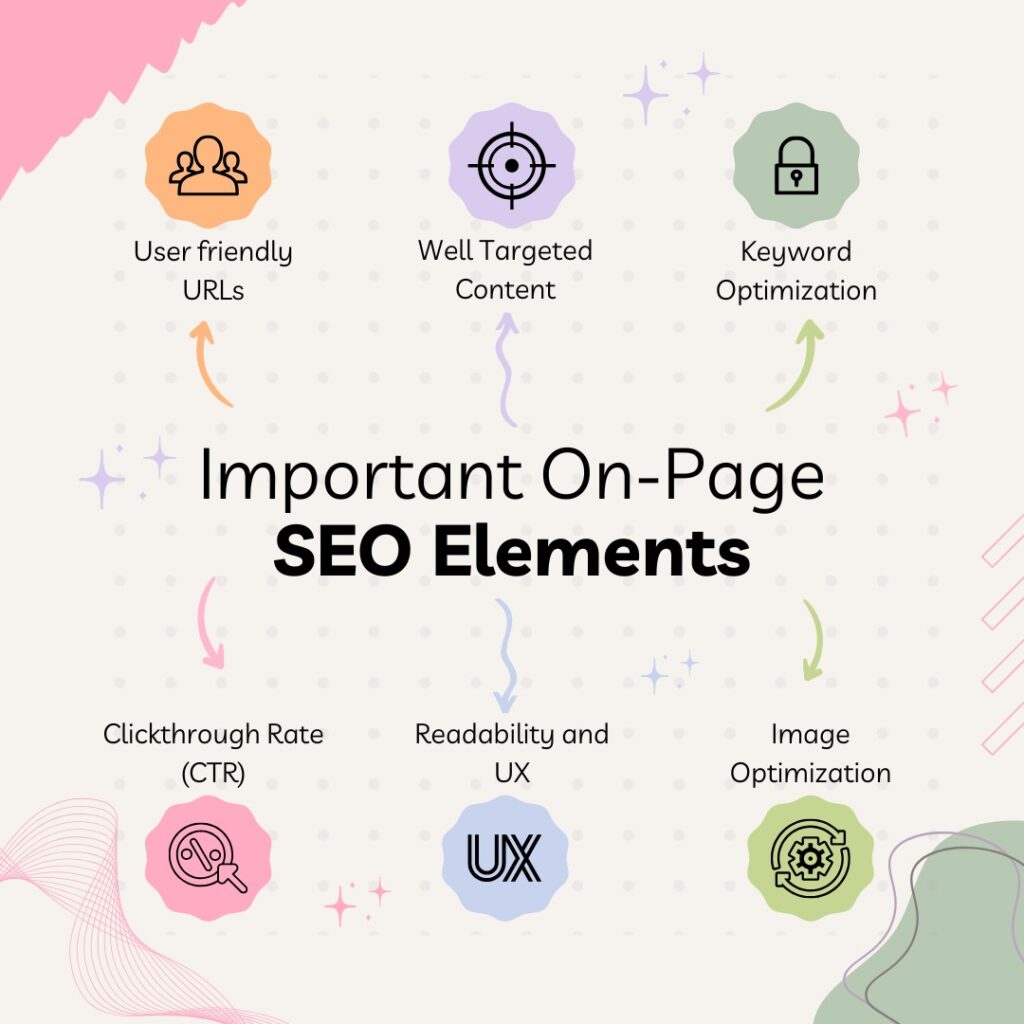
Create compelling and optimized meta tags
What Are Meta Tags?
Meta tags are snippets of code that give search engines information about your web page. They appear in search engine results as the title and description of your page. Properly optimizing these tags is essential for improving your click-through rates and boosting your website’s visibility.
How to Optimize Meta Tags
✅ Title Tag
✅ Meta Description
Why Meta Tags Matter
By optimizing your meta tags, you can make your pages more appealing in search results and enhance your website’s overall performance.
Creating High-Quality Content
Why High-Quality Content Matters?
High-quality, well-structured, and informative content is crucial for both users and search engines. Good content not only meets the needs and interests of your target audience but also helps improve your site’s visibility and rankings.
Tips for Optimizing Your Content
✅ Focus on Value and Relevance
✅Organize Content with Headings
✅Enhance Readability
Benefits of Well-Structured Content
By focusing on creating valuable, well-organized content and using elements like headings, lists, and images effectively, you can enhance both user experience and search engine visibility.
FREE SEO AUDIT
Prepare for SEO take off 🚀
Take the first step to ranking higher with our free SEO audit.
Get a complete overview of optimization opportunities and uncover the actions you need to take to scale the SERPs.
Optimizing URL Structure for Better SEO
Why URL Structure Matters?
A well-optimized URL structure is crucial for on-page SEO. It helps search engines understand your page’s content and improves user experience by making URLs easier to read and remember.
Best Practices for URL Optimization
✅ Keep URLs Concise and Descriptive
- Be Clear and Relevant: Your URL should clearly reflect the content of the page. Use descriptive words that indicate what users can expect
- Avoid Lengthy URLs: Steer clear of long URLs with unnecessary parameters or symbols that can be confusing.
✅ Incorporate Keywords
- Use Keyword-Rich URLs: Include relevant keywords in your URL to help search engines understand the topic of your page. This can improve your rankings for those keywords.
✅ Use Hyphens to Separate Words
- Readable Format: Separate words in your URL with hyphens (e.g., “keyword-rich-page-title”) rather than underscores or spaces. Hyphens are more readable and preferred by search engines.
✅ Avoid Special Characters
- Keep It Simple: Refrain from using special characters or symbols in your URLs, as these can be confusing for both search engines and users.
Example of Optimized URLs
- Poor URL: www.yourwebsite.com/page1?=12345
- Optimized URL: www.yourwebsite.com/keyword-rich-page-title
Benefits of an Optimized URL Structure
✅ Improved Search Engine Understanding:
- Descriptive, keyword-rich URLs help search engines grasp the relevance of your page’s content, which can enhance your rankings.
✅ Enhanced User Experience:
- Simple, clear URLs are easier for users to remember, share, and navigate, which can lead to better engagement and lower bounce rates.
By optimizing your URL structure with these practices, you can make your pages more accessible and understandable for both search engines and users.
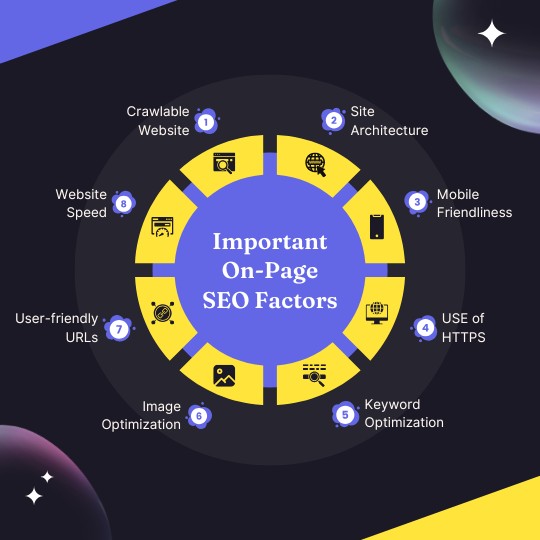
Mobile optimization and responsive design
Why Mobile Optimization is Crucial?
With the growing use of mobile devices, optimizing your website for mobile is no longer optional—it’s essential. Search engines prioritize mobile-friendly websites in their rankings to ensure the best user experience for mobile users.
Key Aspects of Mobile Optimization
✅Ensure Responsive Design
- Adapt to Different Devices: Your website should be responsive, meaning it adjusts and displays correctly on various devices and screen sizes. This ensures a consistent experience for users whether they’re on a phone, tablet, or desktop.
- Test Across Devices: Regularly test your website on different devices to check its appearance and functionality. Use tools like Google’s Mobile-Friendly Test to identify and resolve any issues.
✅Optimize Loading Speed
- Minimize File Sizes: Reduce the size of files like images, scripts, and stylesheets to speed up your site.
- Compress Images: Use image compression tools to decrease image file sizes without compromising quality.
- Utilize Caching Techniques: Implement caching to store static resources so that they load faster on repeat visits.
Benefits of Mobile Optimization
- Improved User Experience: A mobile-friendly website ensures that users have a smooth and enjoyable experience, regardless of their device.
- Better Search Engine Rankings: Search engines like Google prioritize mobile-friendly sites, which can positively impact your rankings and visibility in search results.
By focusing on responsive design and optimizing loading speed, you can enhance user experience and improve your search engine rankings, making your website more effective across all devices.
Monitoring and Measuring On-Page SEO Performance
Before diving into the strategies to boost your website’s visibility and rankings, it’s crucial to monitor and measure your on-page SEO performance. This will help you identify areas that need improvement and track the effectiveness of your optimization efforts. Here are a few key metrics to consider:
By regularly monitoring these metrics, you can identify areas of improvement and make data-driven decisions to optimize your website for better visibility and rankings.
Conclusion
In conclusion, on-page SEO is a powerful tool that can significantly impact a website’s visibility and rankings on search engine results pages. By carefully optimizing various aspects of a website, businesses can attract more organic traffic, provide a better user experience, and ultimately achieve their digital marketing goals. Investing time and effort into on-page SEO can lead to long-term success in the ever-evolving online world.


